In just an hour and a half on a warm day this past September, I joined about 50 other people in FDR Park in Philadelphia and helped haul in over 2,000 pounds of garbage and recycling from the ground and waterways. The project, organized by United By Blue, was a great way to meet people and make a huge impact in a short time. We beautified the park, got some sun and exercise, met new people, enjoyed a free beer and prevented all of that waste from entering our oceans and food chains.
But you don’t need to wait around for someone else to hand you a pair of gloves and a bag to make a difference.
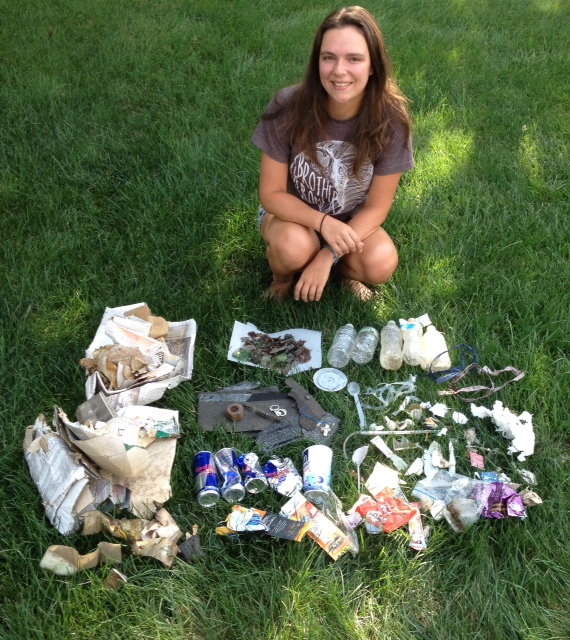
On a hike up our hometown mountain this summer, my friend Ryan Bria and I brought some garbage bags with us. We collected a wide range of discarded items along our route: from roofing to red bull cans, from pizza boxes to a variety of broken glass, from assorted metal pieces to cigarette butts. Having picked up a plethora of items mentioned in the following chart, it was interesting to think about our direct effect we made as we removed trash from the mountain. According to The Balance, the amount of time it takes some common items to decompose:
| Cardboard | 2 months |
| Cotton | 3 months |
| Rope | 3-14 months |
| Wool Clothing | 1-5 years |
| Milk Carton | 5 years |
| Cigarette Butts | 10-12 years |
| Leather Shoes | 25-40 years |
| Nylon Fabric | 30-40 years |
| Tin Can | 50 years |
| Foamed Plastic Cups | 50 years |
| Rubber Boot Sole | 50-80 years |
| Aluminum Cans | 200-250 years |
| Sanitary Pads | 500-800 years |
| Tinfoil | Does not degrade |
| Styrofoam | Does not degrade |
| Glass | Does not degrade |
Even for items that do decompose, we still must consider the chemical and physical implications of those items infiltrating ecosystems. Tiny plastic pieces, countless synthetic fibers, chemicals, and enormous masses of physical waste plague our oceans and food chains.
The cumulative effects of the garbage epidemic impinge on society in a multitude of ways, and will for centuries to come: we are losing so much valuable, reusable resources, and tainting other resources in the process. The economic costs to clean all of the garbage and toxicity in the future will be much greater than the short-term costs we would experience if we implemented better waste programs now. Even simply installing more garbage cans in public places could help reduce our long-term costs and negative externalities.
I have discussed before how these types of inconveniences need to be made into conveniences by government agencies, and while that still holds true, we all individually have the capability of making huge differences over time if we make small choices.
We can sort our trash for recyclables, both at home and in public. If your place of employment doesn’t currently recycle, consider suggesting a plan of action to start doing so — often you will even be saving your employer money. We can compost, pick up stray pieces of garbage in passing, support green businesses, and raise awareness by starting conversations about garbage and reduction.
We can repurpose used items — they do not need to be discarded on the side of the road. There are plenty of charities and thrift stores available to take any sort of useable item. I see good-condition items on the side of the road every garbage day, because often we choose convenience over ethics. Occasionally I’ve picked up furniture on the side of the road to bring it to a thrift store so it can get more economic wear. There is money and productivity in garbage: your charitable contributions are tax-deductible, you can take metal to the scrapyard, or collect your glass recyclables and redeem them at a recycling location if available where you live.
Reductionism is important in its own way apart from recycling and littering because we are filling landfills at an alarming rate, and we have not in all of time, or in any culture, figured out a good or permanent solution. As world population exponentiates, something needs to change — our attitude toward garbage, recycling, product ethics, and composting would be a good place to start.
 Garbage Girl: Environment & Politics
A reminder hat it doesn’t take much to do your part in the world-
LikeLike